How AI Is Quietly Transforming African Businesses in 2026
June 18, 2026 · 8 min read
Building Systems That Scale
Across East Africa, a quiet crisis is unfolding in boardrooms and back offices. Businesses that were thriving five years ago are now struggling — not because their products or services are inferior, but because their operational backbone cannot keep up with growth. The culprit? Manual processes, disconnected spreadsheets, and a complete absence of integrated business systems.
Every business owner knows the feeling: your sales team says one thing, your warehouse says another, and your finance team is working off last month's numbers. This isn't just inconvenient — it's expensive. Research across African SMEs shows that businesses operating without integrated systems lose between 15% and 30% of their potential revenue to operational inefficiencies.
Consider a typical mid-sized trading company in Dar es Salaam. They have one person managing inventory in a spreadsheet, another handling sales orders in a separate Excel file, and the finance team working in yet another system. When a customer calls to check stock availability, the answer is a guess. When month-end arrives, reconciling these three sources of truth takes five days — five days of overtime, stress, and errors.
Enterprise Resource Planning (ERP) is not software jargon for large corporations. It is simply a single, unified system that connects all the critical functions of your business — finance, inventory, sales, procurement, HR, and reporting — into one source of truth. When a sale is made, the inventory updates automatically. When stock drops below threshold, a purchase order is triggered. When an invoice is issued, the finance books update in real time.
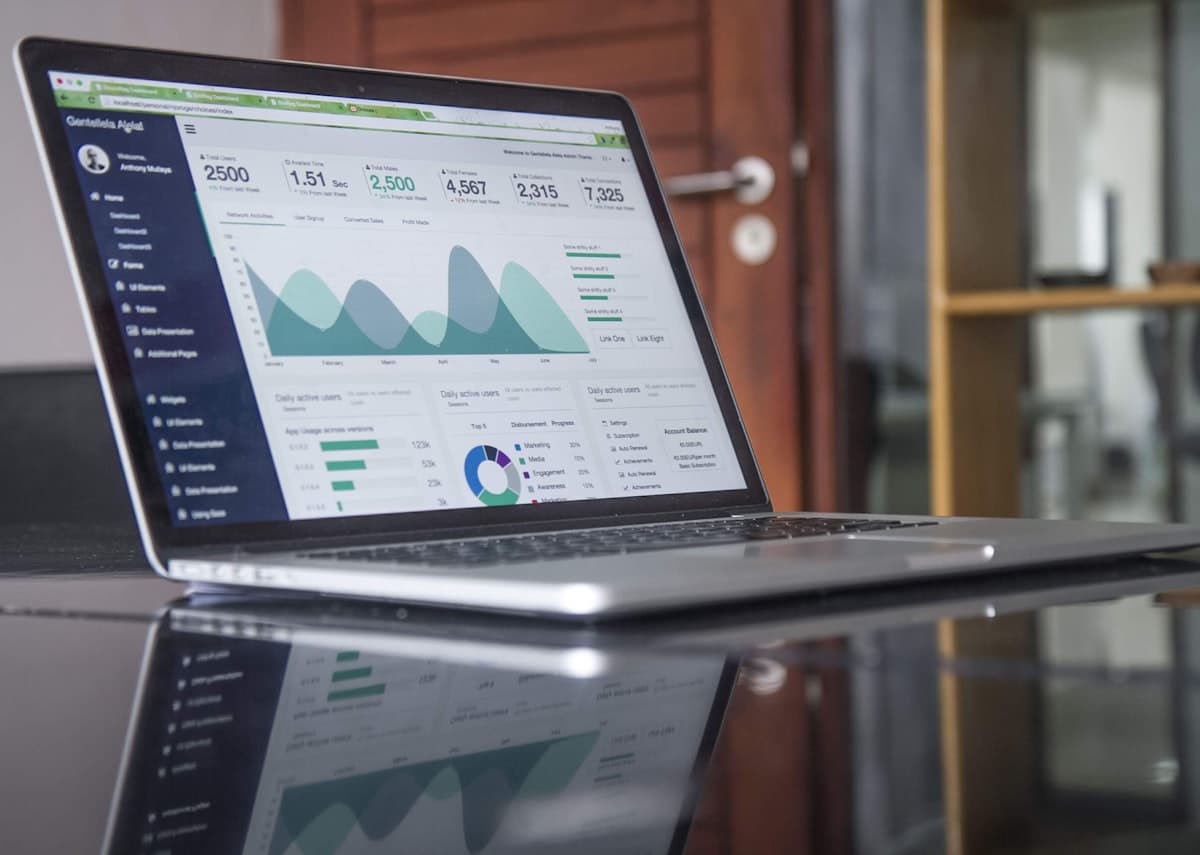
“An ERP doesn't just organize your data — it fundamentally changes how fast decisions can be made. A CEO who can see yesterday's sales, current stock levels, and outstanding payables in one dashboard doesn't need to wait for end-of-month reports. They run the business in real time.
ERP systems built for European or American markets often fail in Africa — not because of the software's quality, but because they're designed for different regulatory environments, currencies, tax structures, and business workflows. A good ERP for a Tanzanian company must handle TRA (Tanzania Revenue Authority) compliance natively, support multi-currency operations including TZS, understand the realities of supply chain delays, and work reliably even with intermittent internet connectivity.
GLX Systems builds ERP systems specifically designed for East African businesses — with built-in TRA compliance, mobile-first interfaces, and the flexibility to match how your business actually operates.
Our clients typically see the following results within 6 months of deploying a custom ERP system:
When evaluating ERP options for your business, focus on these critical factors:
In 2025, the question is no longer whether your business needs an ERP system. The question is how much longer you can afford to operate without one. Your competitors — both local and international — are already investing in digital infrastructure. The gap between businesses that run on systems and businesses that run on spreadsheets is widening every quarter. The best time to close that gap was three years ago. The second best time is today.
Talk to the GLX Systems team about how we can build the right system for your business — free consultation, no obligation.
Book Free Consultation