
How AI Is Quietly Transforming African Businesses in 2026
June 18, 2026 · 8 min read

Building Systems That Scale
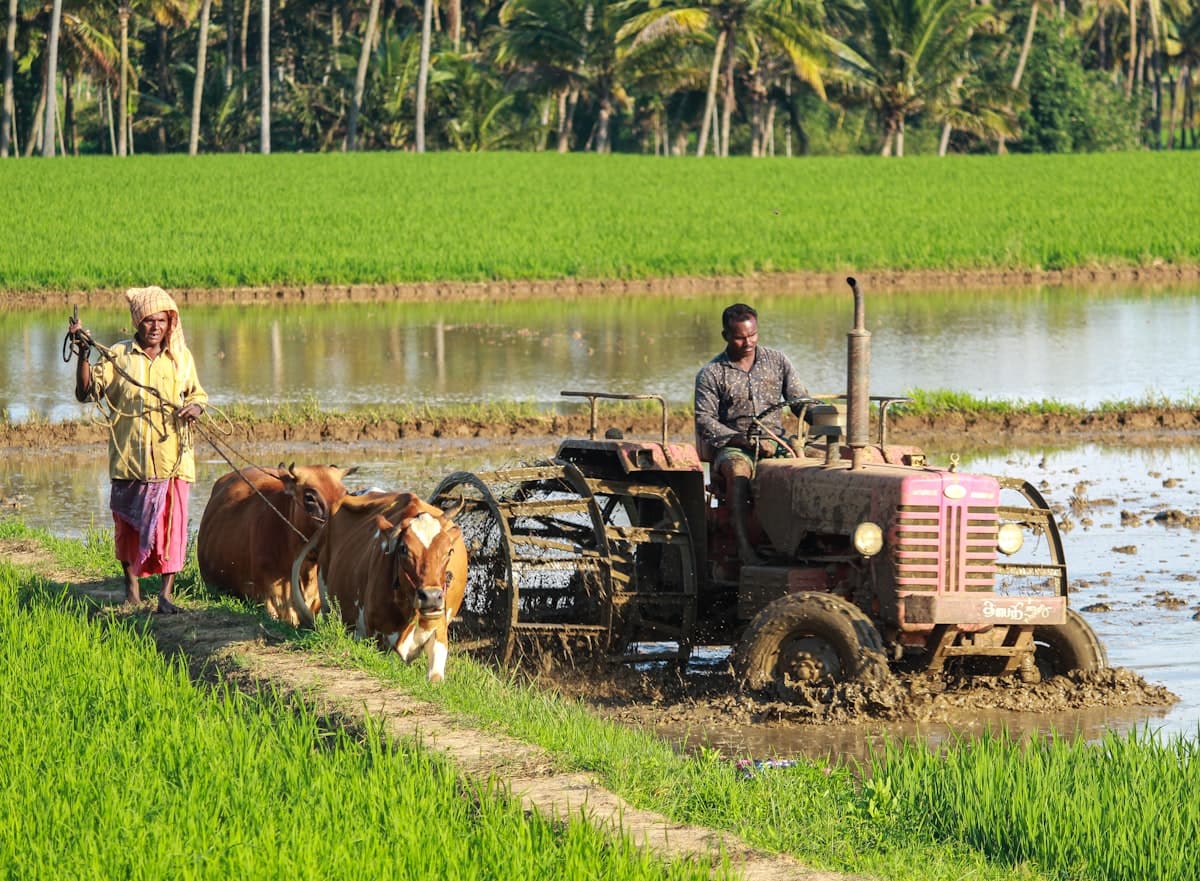
Agriculture employs over 60% of Tanzania's workforce and contributes approximately 28% of GDP. Yet most agricultural operations in East Africa are run with minimal technology — decisions based on intuition, weather predictions based on tradition, and losses accepted as inevitable. Artificial intelligence is changing this. Not with science fiction, but with practical, deployable tools that are already delivering measurable impact for forward-thinking farmers and agribusinesses.
The word 'AI' carries enormous hype, but the agricultural applications that are delivering real results today are grounded in practical machine learning — systems trained on data to recognize patterns and make predictions. The three core applications transforming East African agriculture are: yield prediction, disease and pest detection, and precision resource management.
Machine learning models trained on historical yield data, weather patterns, soil conditions, and input data can predict crop yields with 70–85% accuracy weeks before harvest. For agribusinesses that need to plan logistics, storage, and sales contracts, this capability transforms financial planning. For poultry and livestock operations, similar models predict production outputs — egg counts, weight gain, and mortality risk — enabling proactive management decisions.
Smartphone-based disease detection apps, powered by computer vision models trained on thousands of images of diseased and healthy plants and animals, can identify common diseases with accuracy that rivals expert veterinarians and agronomists. A poultry farmer in Arusha can photograph an ailing bird and receive a diagnosis and treatment recommendation within seconds. This technology, which would have been the exclusive domain of large operations with on-site specialists, is now accessible on a TZS 200,000 smartphone.
“Early disease detection alone can prevent 15–25% of poultry losses. At scale across an operation of 10,000 birds, that difference is worth millions of shillings annually.
Feed is typically the largest cost in poultry and livestock operations — accounting for 60–70% of total production costs. AI-powered feeding systems analyze growth rates, feed conversion ratios, ambient temperature, and flock behavior to dynamically optimize feeding schedules and quantities. Operations that have deployed these systems report feed cost reductions of 8–15% while maintaining or improving production metrics.
One of the most painful realities for agricultural producers in East Africa is price volatility. Prices can drop 50% during a bumper harvest — at the exact moment farmers need revenue most. AI market prediction models, trained on historical price data, seasonal patterns, import/export volumes, and macroeconomic indicators, provide farmers and aggregators with predictions that enable better timing of sales and contracting decisions.
The biggest barrier to AI adoption in African agriculture is data. AI models require data to learn from — and most African agricultural operations have generated very little structured, digital data. The solution is to start collecting data now. Even simple digital record-keeping — feed quantities, production outputs, health events, mortality records — builds the foundation for AI systems. Within 6–12 months of consistent data collection, meaningful pattern recognition becomes possible.
ChickPro Africa, built by GLX Systems, is already helping East African poultry farmers collect the structured data that powers AI-driven insights — flock tracking, feed management, health records, and production analytics in one mobile app.
The AI agriculture applications that are delivering ROI in East Africa today are not research projects — they are production systems with measurable business outcomes. For operations of meaningful scale (500+ animals, 5+ hectares), the investment in AI-powered management tools typically pays back within 12–18 months through reduced losses, optimized costs, and better market timing. The question is not whether this technology will reach East African agriculture — it is already here. The question is whether you will be among the first to benefit, or whether you will adopt it only after your competitors have established a lasting advantage.
Talk to the GLX Systems team about how we can build the right system for your business — free consultation, no obligation.
Book Free Consultation